What to Wear Stargazing, and What the Tours Lend You
What to wear stargazing: warm layers, a hat, gloves and closed shoes, because you stand still at night, often at altitude. What each tour lends, from parkas to heated chairs.
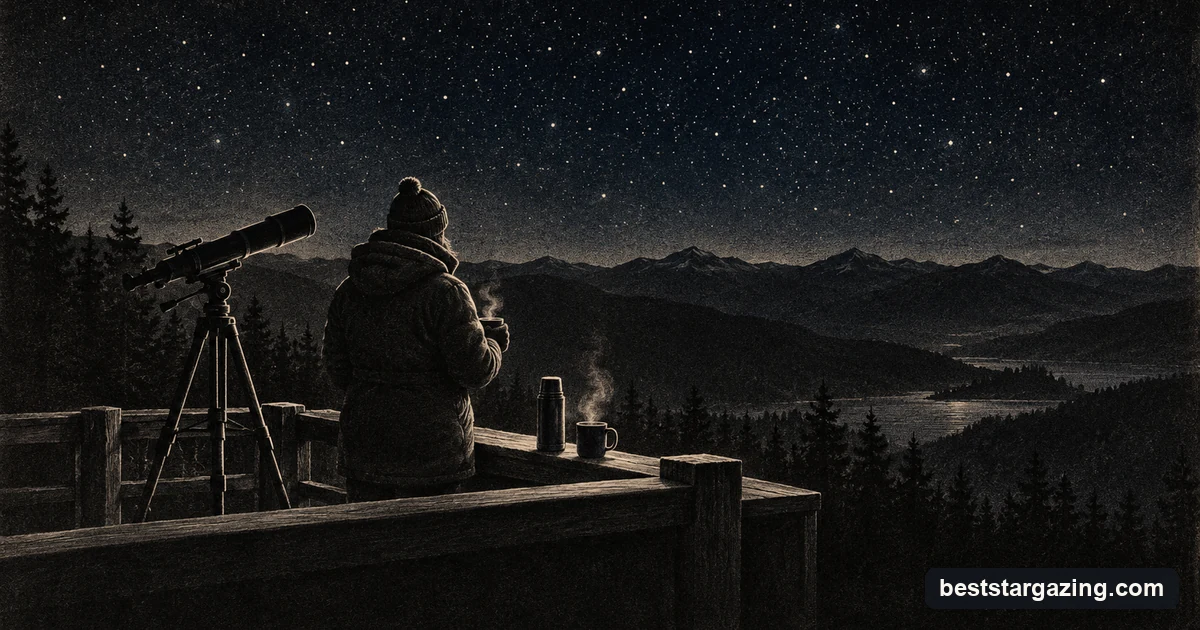
Wear more than you think you need: a base layer, a fleece, a warm jacket, a hat, gloves, warm socks and closed shoes. On a stargazing night you stand or sit still for an hour or more after dark, often at altitude or in a desert that loses its heat fast after sunset. Many tours lend a jacket or blankets; none can lend you dry, warm feet.
See the Mauna Kea tours with parkas →
The checklist
- A base layer that is not cotton, top and bottom on cold nights.
- A fleece or wool mid-layer.
- An insulated, windproof jacket, unless the tour lends one.
- A warm hat and gloves. Thin gloves let you work a camera or a phone.
- Warm socks and closed shoes or boots. Sandals are a mistake even in the desert.
- A red light, not a white torch: white light ruins everyone’s night vision for 20 minutes or more.
- Water, and on a long night, a snack.
What the tours lend
The featured tours on this site differ a lot in what they hand you on arrival. From their own listings, checked October 2026:
| Tour | What it lends or includes |
|---|---|
| Mauna Kea (Hawaii Island Holidays) | Parkas, snacks and hot chocolate |
| Lake Tekapo (Dark Sky Project) | An extreme cold weather jacket on check-in |
| Atacama (Atacama Dark Sky) | Warm blankets, wine or hot wine, reclining chairs |
| Banff (Into the Wild Tours) | Heated chairs, blankets, hand warmers, hot drinks |
| Joshua Tree (Stargazing Joshua Tree) | Blankets and a hot beverage station |
| Teide (Volcano Teide) | Nothing to wear: it asks you to bring warm clothing |
Even with a borrowed parka, bring your own hat, gloves and warm shoes.
High sites: dress for the summit, not the beach
The two highest viewpoints on this site start from a warm coast. Mauna Kea tours stop at the Visitor Information Station at about 2,800 m, and the sunset tours go to the summit first; Teide’s tours observe above 2,000 m. You leave a beach in shorts and arrive somewhere much colder, often windy.
Altitude also sets limits that clothes cannot fix. The Mauna Kea tour featured here takes ages 13 to 80 only, and not pregnant travellers or people with heart or lung conditions. Each destination page quotes its operators’ own rules.
Deserts: the heat goes with the sun
Death Valley, Joshua Tree, the Atacama, the Pinnacles and the canyons of Utah and Arizona can be hot at sunset and cold two hours later. Atacama Dark Sky tells guests the desert is cold at night and to bring layers in every month. Pack the warm layers in the car even on a hot day.
Winter in the Rockies
Banff and Jasper nights are very cold in winter. Into the Wild Tours asks for layers, warm hats, gloves and sturdy boots; the walking tours there add ice cleats on icy trails.
For the night itself, see the best time to go stargazing; for a camera, how to photograph the Milky Way.
Book Your Experience
Check Availability & Prices
Select your preferred date and time. Cancel up to 24 hours in advance for a full refund.
Stargaze on Mauna Kea, Parka Included
Sunset at the summit, then the stars with a guide, hot chocolate and parkas provided. Ages 13 to 80; not for pregnant travellers or people with heart or lung conditions.
Check Mauna Kea Tour Dates